
At Open Water Plumbing, we understand that your main water line is a vital part of your home's plumbing system. If you fail to address issues with this essential line promptly, they can disrupt your daily life and result in costly damage. That's why we specialize in main water line repair in Charlotte, NC, offering fast, transparent, and affordable service backed by over 25 years of hands-on craftsmanship. Our family-owned business guarantees your peace of mind by offering honest, upfront pricing and prompt response times.
Whether you're experiencing low water pressure, leaks, or sudden water bill increases, it's important to address main water line problems promptly. In this article, we'll walk you through the signs that you may need a water line repair, the process involved, and how Open Water Plumbing can help you maintain the integrity of your home’s plumbing. From repairs to installations, discover all the ways we can help your home on our Plumbing Services page.
Signs You Need Main Water Line Repair
A main water line problem is not always immediately obvious. However, certain signs can indicate that it's time to call in a professional. Here are some of the most common signs that your main water line may need repair:
1. Sudden Increase in Water Bills
One of the first signs homeowners notice is a sharp rise in their water bills. If there are no obvious changes in your water usage, such as additional people in the household or increased water consumption, a hidden leak in your main water line could be the culprit. If you notice higher-than-usual bills, it's time to get your water line inspected.
2. Low Water Pressure
Damage or leaks in the main water line can greatly affect the water pressure throughout your home. If you notice reduced water pressure in multiple areas of your home, this could be a sign that your main line needs to be repaired.
3. Visible Water pools in Your Yard
Leaks in the main water line can cause water to pool in your yard. This could indicate a serious problem that requires immediate attention. If you notice soggy spots, unusual growth in certain areas, or standing water on your lawn, the main water line might be compromised.
4. Discolored Water
If your water has a brownish or yellow tint, this could indicate rust or debris in the main water line. This odor is not only unpleasant but can also be harmful. It’s important to contact a professional plumbing service to inspect and repair your main water line.
5. Unusual Sounds
If you hear running water sounds even when all taps and appliances are turned off, this could be a sign of a leak in your water line. This often means the water is escaping somewhere underground, potentially causing significant damage to your property if not addressed quickly.
Causes of Main Water Line Damage
There are several reasons why your main water line could become damaged or compromised. Understanding these causes can help you take preventative measures to avoid future problems.
1. Tree Root Intrusion
One of the most common causes of water line damage is tree roots infiltrating the pipes. Roots naturally seek out water sources, and they can grow into small cracks in the pipe, causing blockages or ruptures. Over time, this can lead to major water line issues.
2. Corrosion
Over time, metal pipes can corrode, especially in areas with hard water. Corrosion can weaken the pipes and cause them to crack or rupture. Older homes are more susceptible to such damage, but certain conditions can also affect relatively new pipes.
3. Ground Shifting and Settling
The earth beneath your property naturally shifts and settles over time, especially after heavy rainfall or extreme weather conditions. This can put pressure on the main water line, causing it to break or leak.
4. Freezing
In colder months, the pipes' water can freeze, causing them to expand and crack. This is especially common in areas with poor insulation or if the pipes are located in unprotected parts of the home, like crawl spaces or exterior walls.
5. Improper Installation
In some cases, main water lines may fail due to improper installation. Poorly placed pipes or insufficiently secured joints can lead to leaks, cracks, or bursts down the road.
The Main Water Line Repair Process
When it comes to main water line repairs, time is of the essence. At Open Water Plumbing, we follow a thorough and professional process to ensure your water line is repaired quickly and effectively.
1. Inspection and Diagnosis
Our team starts by performing a detailed inspection using state-of-the-art tools like video cameras and leak detection equipment. This allows us to locate the problem area without unnecessary excavation.
2. Excavation (if necessary)
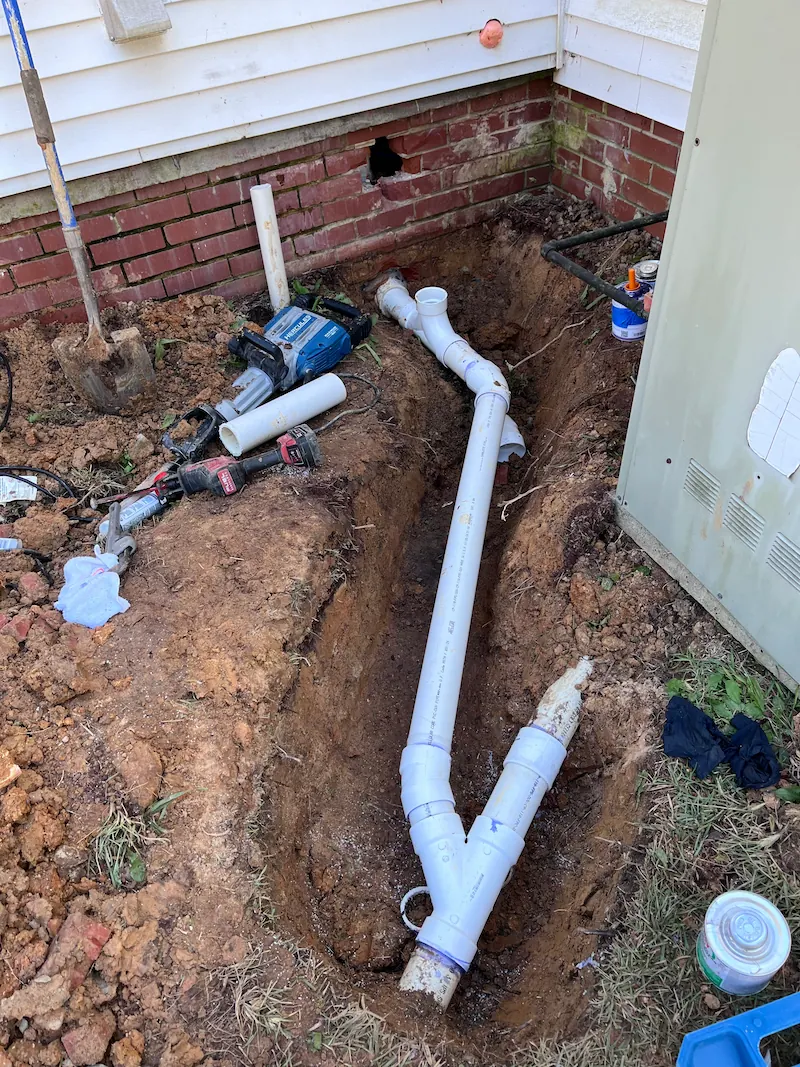
In many cases, excavation is required to access the damaged portion of the pipe. We strive to minimize disruption to your property, but sometimes, this step is necessary to repair the issue.
3. Repair or replacement
Depending on the severity of the damage, we will either repair or replace the damaged section of the water line. We will always discuss the best option for your situation and provide honest, upfront pricing with no hidden fees. Stop water disruptions fast with our Main Line Water Repair services.
4. Restoration and Testing
Once the repair is complete, we will test the line to ensure there are no leaks and that the water pressure is restored to normal levels. We will also restore any affected areas of your property to their original condition.
5. Ongoing Maintenance
To prevent future issues, we offer regular maintenance for water lines. This can help detect early signs of trouble before they turn into costly repairs.
How to Prevent Main Water Line Problems
While some main water line issues are unavoidable, there are steps you can take to extend the lifespan of your pipes and avoid costly repairs:
- Schedule Regular Inspections: A professional inspection every few years can help spot small issues before they turn into large, expensive problems.
- Improve Drainage: Ensure that your lawn and landscaping drain properly to avoid water pooling near the waterline.
- Prevent Freezing: Insulate exposed pipes, especially in colder months, to prevent freezing and cracking.
- Root Barriers: If tree roots are a concern, consider installing barriers to prevent them from growing into your pipes.
FAQ: Main Water Line Repair
If you notice any of the signs mentioned above, such as sudden water bill increases, low water pressure, or water pooling in your yard, your main water line may be leaking.
While some minor plumbing tasks can be done yourself, repairing a main water line is complex and should only be handled by professionals. DIY repairs can often make the problem worse, leading to more expensive repairs down the line.
The time required for a main water line repair depends on the extent of the damage. In most cases, it can take anywhere from a few hours to a full day. We’ll provide you with an estimated time frame during the initial assessment.
In many cases, waterline repairs may be covered by homeowners’ insurance, especially if the damage is due to a sudden, unforeseen event. It’s important to check with your insurance provider for coverage details.