
At Open Water Plumbing, we know how important it is to maintain optimal water pressure throughout your home. If you've noticed fluctuating pressure, leaks, or your appliances are failing prematurely, it could be time to replace your Pressure Reducing Valve (PRV). Serving Charlotte, NC, we specialize in providing fast, affordable, and reliable PRV replacement services that ensure your plumbing system operates smoothly and efficiently. In many cases, pairing proper pressure control with professional water treatment can further protect your plumbing system from long-term damage caused by hard water and sediment buildup.
What Is a Pressure Reducing Valve (PRV)?
A Pressure Reducing Valve (PRV) is a vital component that controls the water pressure entering your home’s plumbing system. By regulating the pressure, a PRV prevents damage to your pipes, fixtures, and appliances, including water heaters, dishwashers, and washing machines. If your current PRV is malfunctioning, it can cause serious problems like leaks, high water bills, and even water damage. Replacing your PRV is the most effective way to restore safe, functional water pressure and complements professional pressure reducing valve installation when a system upgrade is needed.
Why Do You Need PRV Replacement?
Over time, PRVs can wear out or malfunction, causing problems like fluctuating pressure, leaks, and inefficient water usage. Here are some common signs that it’s time to replace your PRV:
- Frequent Leaks: If you notice water leaking around the PRV or other areas of your plumbing, it could be a sign the valve is failing.
NC - Inconsistent Water Pressure: If your water pressure spikes or fluctuates, your PRV may no longer be regulating it effectively.
- Noisy Pipes: High water pressure can cause “water hammer” noises in your pipes—this could indicate a malfunctioning PRV.
- High Water Bills: A faulty PRV may cause your home to use more water than necessary, leading to higher water bills.
The Importance of Timely PRV Replacement
Replacing a faulty PRV is critical for maintaining a healthy plumbing system. Here’s why you should act promptly:
- Prevent Pipe Damage: Unregulated high water pressure can lead to burst pipes and leaks. Replacing your PRV can prevent costly repairs down the road.
- Protect Appliances: Excessive water pressure can cause premature wear on your appliances. A new PRV helps extend the life of appliances like dishwashers, washing machines, and water heaters.
- Lower Water Bills: A malfunctioning PRV may result in wasted water. By replacing it, you can reduce water consumption and lower utility costs.
The PRV Replacement Process
At Open Water Plumbing, we follow a systematic process to ensure your PRV replacement is done right:
- Assessment: Our expert plumber will inspect your plumbing system and measure the water pressure throughout your home.
- PRV Selection: Based on the assessment, we’ll recommend the best replacement PRV suited for your home’s needs.
- Removal: We’ll carefully remove your old PRV and dispose of it properly.
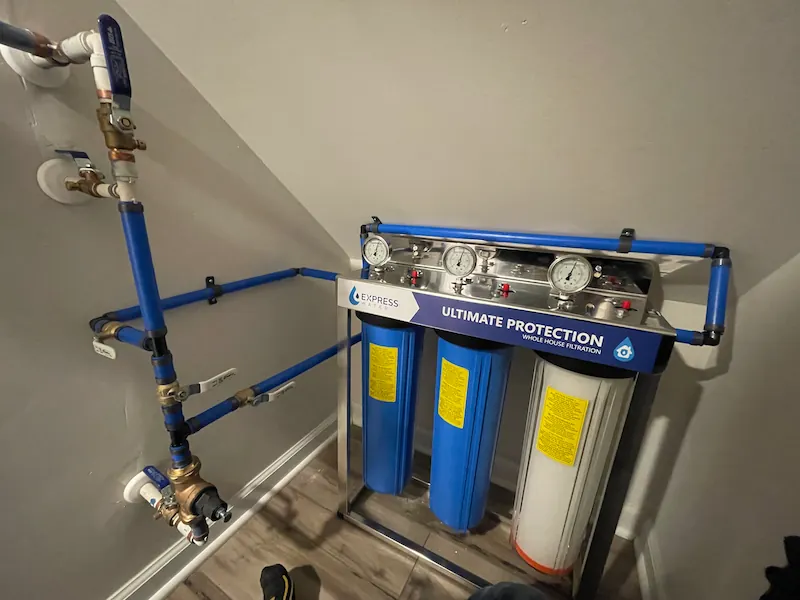
- Installation: The new PRV will be installed directly onto your water line to ensure proper pressure regulation.
- Testing and Adjustment: After installation, we’ll test the PRV to make sure it's functioning properly and adjust the pressure to the desired level.
- Final Inspection: We’ll perform a thorough inspection to ensure everything is in order, and your water pressure is optimal.
Common PRV Issues That Require Replacement
While PRVs are durable, they can face problems over time that necessitate replacement:
- Failure to Regulate Pressure: If your PRV is no longer controlling water pressure effectively, it may need replacement.
- Clogging: Sediment buildup can clog the valve, leading to pressure issues.
- Corrosion: Hard water and age can cause corrosion, leading to leaks and ineffective pressure control.
- Leaks: Water leaking from around the valve is often a sign of internal damage, indicating the need for replacement.
Benefits of Professional PRV Replacement
Replacing your PRV isn’t a DIY job—it requires professional experience and expertise. At Open Water Plumbing, we guarantee:
- Expert Installation: With over 25 years of plumbing experience, our technicians ensure a correct PRV replacement.
- Transparent Pricing: We provide upfront pricing, so there are no surprises—just fair, honest rates.
- Long-Term Support: As a family-owned business, we prioritize the long-term health of your plumbing system and offer continued support for future needs.
- Quick, Efficient Service: We understand that plumbing issues need urgent attention, which is why we offer rapid response times.
Frequently Asked Questions
If you notice fluctuating water pressure, water hammer, leaks, or higher-than-usual water bills, your PRV may need replacement. A professional plumber can inspect it to confirm.
Replacing a PRV requires specialized knowledge and tools. To ensure a proper job and prevent any damage to your plumbing system, we recommend hiring a licensed plumber.
With regular maintenance, a PRV can last 10–15 years. If yours is nearing that age or showing signs of malfunction, it’s a sensible idea to replace it.