
At Open Water Plumbing, we understand that a damaged or outdated main water line can lead to serious issues in your home. When repair is no longer an option, main water line replacement in Charlotte, NC, becomes necessary to restore your water supply and avoid further damage to your property. With over 25 years of experience, our family-owned plumbing business provides fast, honest, and affordable replacement services, ensuring minimal disruption to your daily life.
A main water line replacement is a significant undertaking, but with the right expertise, it can be done efficiently and with the highest quality standards. In this article, we’ll walk you through the reasons why you might need a water line replacement, the process involved, and how Open Water Plumbing can help keep your home’s plumbing system running smoothly.
When Should You Consider Main Water Line Replacement?
While main water line repair can be effective for minor issues, sometimes the best solution is to replace the entire line. There are several scenarios where replacing your main water line is the most cost-effective and long-lasting solution.
1. Frequent leaks or damage
If your main water line has been repaired multiple times in the past and leaks continue to occur, it may be time for a full replacement. Frequent repairs are not only costly but also an indication that the line is deteriorating and could fail again in the near future.
2. Old or Outdated Pipes
Homes with older plumbing systems, especially those built before the 1980s, may have outdated materials like galvanized steel or cast iron pipes that are prone to corrosion and leaks. These materials are more susceptible to damage, and replacing them with modern, durable pipes is a smart investment.
3. Low Water Pressure
A significant decrease in water pressure can occur when your water line becomes blocked or corroded. If your home’s water pressure is persistently low and other solutions haven’t worked, replacing the main water line may be necessary to restore normal function.
4. Tree Root Damage
Roots from trees and plants can infiltrate the main water line, causing cracks or blockages. If this happens, and the damage is extensive, it’s often easier and more cost-effective to replace the pipe rather than attempting multiple repairs.
5. Water Contamination
If you notice discolored or foul-smelling water coming from your taps, it could be due to rust, corrosion, or debris inside the pipes. In cases where cleaning or descaling isn't effective, replacing the water line is the only way to ensure clean and safe drinking water.
The Process of Main Water Line Replacement
Replacing a main water line requires careful planning, expertise, and the right tools. At Open Water Plumbing, we follow a step-by-step process to ensure the replacement is done quickly and professionally, minimizing any disruptions to your home.
1. Assessment and inspection
We start by performing a comprehensive inspection of your existing water line. Using advanced technology like leak detection equipment and video cameras, we’ll pinpoint the problem and determine whether a replacement is the best course of action.
2. Planning and Permitting
Replacing the main water line often requires permits, as it involves digging and potentially disrupting landscaping or driveways. Our team will take care of all necessary permits and planning to ensure everything is up to code and executed correctly.
3. Excavation and Access
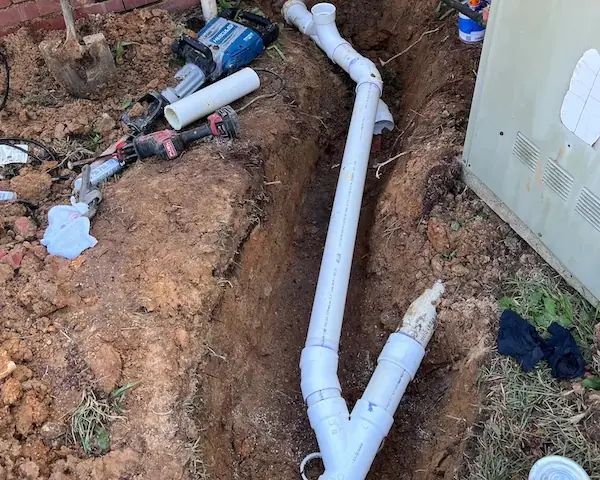
In most cases, excavation is required to access the old water line. We take extreme care to minimize damage to your property by using efficient excavation techniques and tools. If needed, we’ll use trenchless methods to reduce the amount of digging and restore your lawn and landscaping as much as possible.
4. Pipe Removal and Replacement
Once the old water line is exposed, we’ll carefully remove it and replace it with a new pipe made from durable materials like PEX, PVC, or copper. These modern materials are resistant to corrosion, tree root intrusion, and other common issues that can affect older pipes.
5. Testing and Restoration
After the new water line is installed, we test the system to ensure that the pressure is restored and there are no leaks. We also work to restore any landscaping, driveways, or walkways that may have been disrupted during the process, leaving your property looking as beautiful as it did before.
6. Final Inspection
We conduct a final inspection to ensure everything meets industry standards and local code requirements. You can rest assured that your new water line is reliable and built to last.
Benefits of Main Water Line Replacement
Replacing your main water line offers several key benefits that can enhance the comfort and safety of your home.
1. Increased Water Pressure
A new water line can improve water flow and restore proper pressure throughout your home. This means better shower pressure, more consistent water temperatures, and better performance for appliances like dishwashers and washing machines.
2. Reduced Risk of Future Repairs
A new pipe eliminates the need for constant repairs. With modern materials, your main water line will be more resistant to corrosion, leaks, and tree root damage, saving you money on future plumbing bills.
3. Improved Water Quality
Older pipes can harbor rust, dirt, and bacteria, which can affect the taste and quality of your water. A new water line ensures that you’re getting fresh, clean water from a safe, reliable source.
4. Increased Home Value
Replacing your main water line is an investment in your home. A new plumbing system can increase your property value, especially if you’re planning to sell in the future. It gives prospective buyers peace of mind knowing that the plumbing system is up to date.
How to Prevent Future Main Water Line Issues
While replacing your main water line can solve many problems, regular maintenance and care can help extend its lifespan and prevent issues from arising.
- Regular Inspections: Schedule annual plumbing inspections to identify any potential issues before they become serious.
- Tree Root Barriers: If your home has trees near the waterline, consider installing barriers to prevent roots from infiltrating the pipes.
- Protect Exposed Pipes: Insulate any exposed pipes to prevent freezing in colder months.
- Proper Landscaping: Ensure proper drainage around your home to prevent water pooling near your pipes.
See how we can keep your home’s plumbing running smoothly by checking out our full range of services on the Plumbing Services page.
FAQ: Main Water Line Replacement
If you’re dealing with recurring leaks, low water pressure, or discolored water, it may be time to replace your main water line. Our team at Open Water Plumbing can assess the situation and recommend the best solution.
While some minor plumbing tasks can be done yourself, repairing a main water line is complex and should only be handled by professionals. DIY repairs can often make the problem worse, leading to more expensive repairs down the line.
The replacement process typically takes a few hours to a day, depending on the extent of the damage and the complexity of the excavation. We’ll provide you with an estimated timeline during the initial consultation.
Traditional water line replacement involves some digging, but we use advanced techniques like trenchless technology to minimize disruption to your lawn and landscaping.
Often, homeowner’s insurance may cover the cost of a main water line replacement if the damage is caused by a sudden, unexpected event. Be sure to check with your insurance provider for details.